
🎲 Random Number Generator
🔢 Basic Random Number
📊 Multiple Random Numbers
🎲 Dice Roll Simulator
🎫 Lottery Number Generator
📝 Custom List Picker
Recent Generations:

Revenue Cycle Management in U.S. Healthcare: Essential Guide for Beginners
Explore the fundamentals of Revenue Cycle Management (RCM). This guide covers key stages, importance, challenges, and tips for success in

Revenue Cycle Management in U.S. Healthcare: Essential Guide for Beginners
Welcome to the dynamic and intricate world of US Healthcare Revenue Cycle Management (RCM)! As a new recruit at an Indian medical billing company, diving into the fundamentals of US healthcare RCM is crucial for your career. This blog post aims to simplify the complex processes of RCM and equip you with the knowledge you need to excel in your role.
What is Revenue Cycle Management (RCM)?
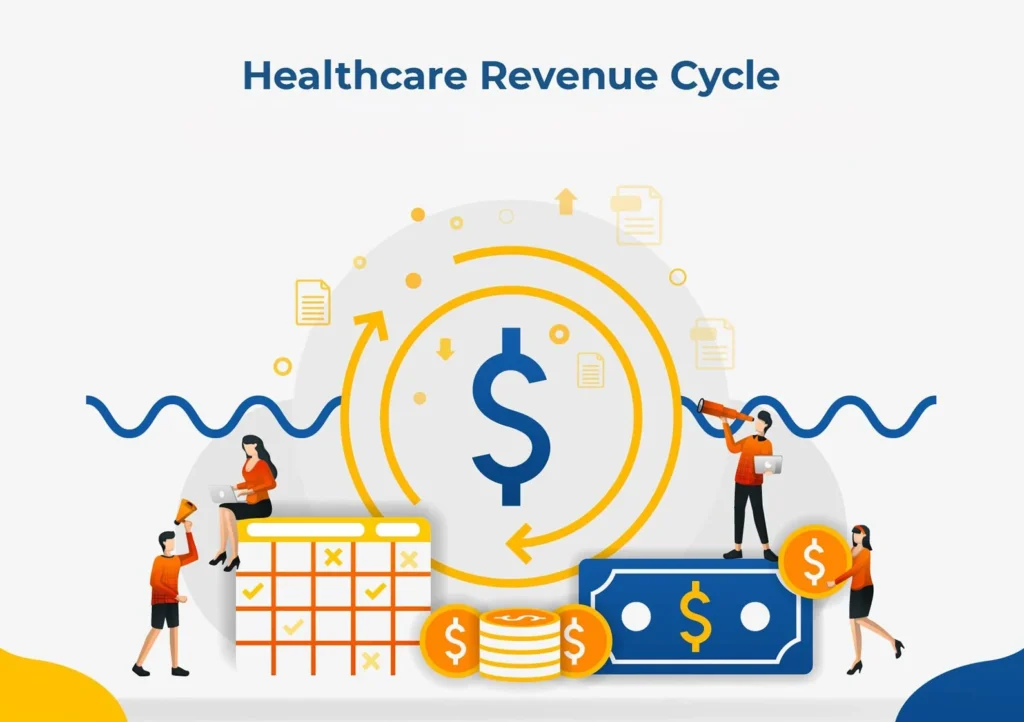
Revenue Cycle Management (RCM) is the financial process utilized by healthcare providers in the United States to track patient care episodes from registration and appointment scheduling to the final payment of a balance. Essentially, RCM bridges the gap between the clinical and business sides of healthcare by managing processes that include patient health information and treatment records, coupled with the billing and payment processes.
Why is RCM Important?
RCM is vital because it directly impacts the financial performance of healthcare providers. Effective RCM ensures that providers are paid fully and promptly for the services they render. For healthcare systems, it means maintaining a healthy cash flow, minimizing billing errors, and improving patient satisfaction with billing practices.

Key Stages of the US Healthcare RCM Process:
- Pre-Registration: This initial phase involves gathering patient demographic and insurance information before their visit. Accurate collection of this data is fundamental to avoid delays or errors in later stages.
- Registration: At this stage, the focus is on confirming the information obtained during pre-registration, checking in the patient, and preparing for the clinical encounter.
- Charge Capture and Coding: After the patient receives medical services, the provided care is documented, and appropriate medical codes are assigned. This coding is crucial for billing and determines how much the healthcare provider will be reimbursed.
- Claim Submission: Coded information is transformed into a claim form, which is then submitted to insurance companies for reimbursement. This step requires meticulous attention to detail to ensure claims are accepted and processed without delays.
- Remittance Processing: Once a claim is processed by the insurance company, they issue a remittance advice detailing what will be paid and what might be denied. Understanding the reasons for denials or underpayments is crucial here.
- Insurance Follow-Up: The billing team follows up with insurance companies regarding any delayed or incorrect payments. This requires excellent negotiation and communication skills.
- Patient Billing: After insurance processes the claim, any balance not covered is billed to the patient. Clear communication and accurate billing are essential to maintain patient satisfaction and avoid complaints.
- Payment Collection: This final stage involves collecting payments from patients, setting up payment plans if necessary, and taking care of collections for delinquent accounts.
Challenges in RCM:
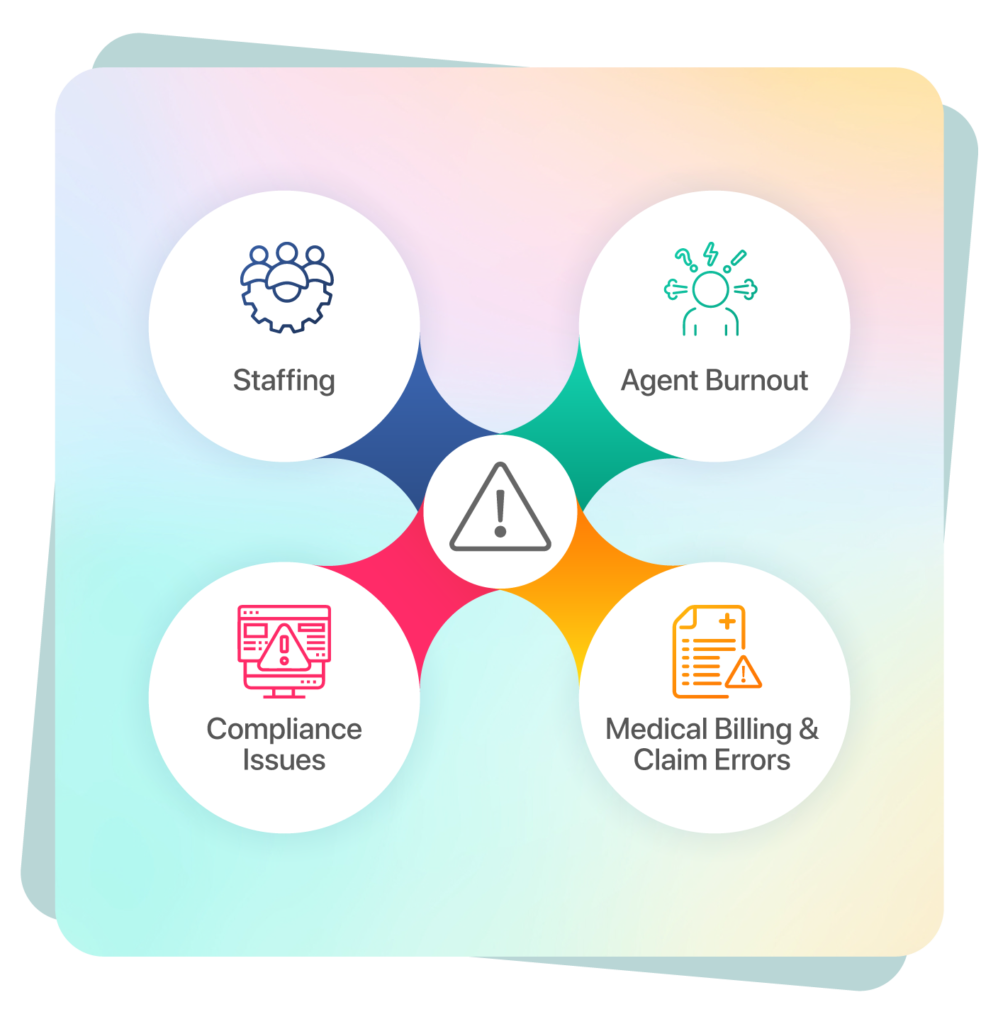
- Regulatory Compliance: Navigating through numerous regulations like HIPAA (Health Insurance Portability and Accountability Act) can be challenging.
- Billing Errors: Simple coding mistakes can lead to claim rejections, requiring additional time and resources to address.
- Changes in Policies: Frequent changes in healthcare policies and insurance guidelines necessitate constant training and updates.
Tips for Success:
- Stay Informed: Keep up-to-date with the latest in healthcare regulations and insurance policies.
- Detail-Oriented Approach: Pay close attention to details in every part of the RCM process.
- Continuous Learning: Engage in ongoing training and development to enhance your understanding and skills in medical billing and coding.

Conclusion:
Understanding and effectively managing the RCM process is crucial for the financial success of healthcare providers in the US. As a new recruit in an Indian medical billing company, your role is pivotal in ensuring that these providers can focus on delivering quality care while you handle the complexities of billing and reimbursements. Embrace this challenging yet rewarding field, and you will play an essential part in the healthcare delivery system.

Understanding US Healthcare RCM: A Comprehensive Guide for Beginners
Explore the essential world of US healthcare RCM in this comprehensive guide. Understand key components, processes, and skills needed for

Understanding US Healthcare RCM: A Comprehensive Guide for Beginners

Dive into the essential world of US healthcare revenue cycle management (RCM), a vital area supporting the financial stability of healthcare providers. For newcomers to medical billing, grasping the complexities of RCM in the US healthcare system is crucial. This blog post breaks down the fundamental concepts and processes of US healthcare RCM, equipping you with the necessary knowledge to succeed in this field.
Understanding Revenue Cycle Management (US Healthcare RCM)
Revenue Cycle Management (RCM) is the financial process utilized by US healthcare organizations to track patient care episodes from registration and appointment scheduling to the final payment of a balance. RCM unifies the business and clinical sides of healthcare by combining the administrative data (such as a patient’s personal information, insurance provider, and other necessary billing details) with the treatment a patient receives and their healthcare data.

Key Components of the RCM Process
- Patient Registration: The first step in the RCM cycle is patient registration, a critical component where accuracy is paramount. When a patient first visits a healthcare provider, their personal and insurance information is collected. This stage sets the groundwork for billing and claims, making it essential to capture accurate and complete data.
- Insurance Eligibility and Authorization: Once the patient data is collected, the next step involves verifying their insurance eligibility and obtaining any necessary authorizations. This process reduces the risk of billing issues and denials from insurers, ensuring that the services provided are covered under the patient’s insurance plan.
- Charge Capture and Coding: After the healthcare services are provided, the provider must document the procedures and diagnoses in a process called coding. Accurate medical coding is crucial as it impacts the claims submission process. Codes must reflect the patient’s diagnosis and the services rendered, as this information determines how much the insurance company will reimburse the provider.
- Claim Submission: This is where medical billing professionals come in. The coded claims are checked for compliance with federal regulations and payer policies before being submitted to insurers. This process needs to be efficient to avoid delays in payments.
- Payment Processing: Once the claim is processed by the insurer, payment is sent to the healthcare provider. This can be in full or partial, depending on the patient’s coverage. The medical billing team needs to post these payments and reconcile them with the billed amounts.
- Denial Management: Not all claims are accepted on the first submission. Some are denied or rejected and require reworking. Effective denial management involves identifying why a claim was denied, correcting the claim, and resubmitting it for payment.
- Patient Collections: If there’s any amount due from the patient, such as copayments or deductibles not covered by insurance, the healthcare provider will bill the patient. Efficient collection practices are essential for maintaining the provider’s financial health.
Why Understanding RCM is Crucial for Billing Professionals?

For Indian companies dealing with US healthcare billing, understanding the RCM process is vital due to several reasons:
- Cultural and systemic differences: The US healthcare system is complex and operates differently from the Indian health system. A deep understanding helps bridge these gaps.
- Compliance with regulations: US healthcare is heavily regulated, and non-compliance can lead to significant penalties.
- Impact on healthcare delivery: Effective RCM ensures that US healthcare providers are financially healthy and can continue to offer high-quality care.
Enhancing Your Skills in US Healthcare RCM
As you begin your journey in this field, focus on enhancing your understanding of medical terminology, US healthcare laws, insurance policies, and billing practices. Regular training and staying updated with changes in healthcare regulations and technology will also be key to your success.
In conclusion, mastering US healthcare RCM can be a rewarding and challenging career path. As new recruits in an Indian medical billing company, you play a crucial role in the healthcare delivery system of the US. By ensuring the smooth operation of the RCM process, you contribute directly to the efficiency and effectiveness of healthcare services across borders.
For more insights and updates on healthcare RCM, keep visiting my blog to stay informed!


Mastering the Art of Change Management: Successful Organizational Transformations
Learn the Art of Change Management with strategies for leading effective organizational transformations. Discover how to manage change smoothly &

Mastering the Art of Change Management: Successful Organizational Transformations
Change is a constant in today’s fast-paced business world. Whether it’s adopting new technologies, restructuring teams, or pivoting strategies, organizations need to evolve to stay competitive. But let’s face it – change can be scary and overwhelming. That’s where change management comes in. In this post, we’ll explore how you can lead successful organizational transformations and make change a smoother ride for everyone involved (The Art of Change Management).
Understand the “Why” Behind the Change
Before diving headfirst into any change, it’s crucial to understand and communicate the reasons behind it. Ask yourself:
- Why is this change necessary?
- What problems will it solve?
- How will it benefit the organization and its people?
Once you have clear answers to these questions, share them with your team. People are more likely to get on board when they understand the purpose and potential benefits of the change.
Create a Solid Plan
Change without a plan is like trying to build a house without blueprints – it’s bound to get messy. Develop a step-by-step plan that outlines:
- The goals of the change
- Key milestones and deadlines
- Roles and responsibilities
- Potential obstacles and how to address them
Remember, your plan should be flexible enough to adapt as you go along. Change rarely follows a straight line!


Build a Change Champion Network
You can’t do this alone! Identify and empower a group of “change champions” across different levels and departments of your organization. These folks will:
- Help spread the word about the change
- Address concerns and questions from their peers
- Provide valuable feedback on how the change is being received
Your change champions are your secret weapon in making the transformation stick.
Communicate, Communicate, Communicate
When it comes to change management, there’s no such thing as over-communication. Keep your team in the loop through:
- Regular updates and progress reports
- Town hall meetings or Q&A sessions
- One-on-one check-ins
- A dedicated change management intranet page or newsletter
Be transparent about both successes and challenges. This builds trust and keeps everyone engaged in the process.


Provide Training and Support
Change often requires people to learn new skills or adapt to new ways of working. Set your team up for success by:
- Offering targeted training programs
- Providing resources and tools to support the change
- Creating mentorship opportunities
- Being patient and understanding as people adjust
Remember, learning curves are normal. Give your team the time and support they need to embrace the change.
Celebrate Small Wins
Big changes don’t happen overnight. Keep morale high by celebrating small victories along the way. This could be:
- Reaching a key milestone
- Overcoming a significant obstacle
- Seeing positive results from the change
Recognizing progress, no matter how small, helps maintain momentum and keeps everyone motivated.


Stay Flexible and Open to Feedback
No matter how well you plan, unexpected challenges will pop up. Stay agile and be willing to adjust your approach based on:
- Feedback from your team
- Changing circumstances
- Lessons learned along the way
Remember, successful change management is more about adaptability than sticking rigidly to a plan.
Lead by Example
As a change leader, your actions speak louder than words. Demonstrate your commitment to the change by:
- Embracing new processes or technologies yourself
- Being open about your own challenges and learnings
- Staying positive and solution-focused, even when things get tough
Your team will be more likely to follow suit if they see you walking the talk.

Conclusion:
Mastering the art of change management isn’t easy, but it’s a critical skill in today’s ever-evolving business landscape. By following these tips and staying committed to the process, you can guide your organization through successful transformations and come out stronger on the other side.
Remember, change is an opportunity for growth and innovation. Embrace it, lead it, and watch your organization thrive!